The Voice of Customer platform market just crossed $10.6 billion. That's a lot of money for technology designed to help companies understand their customers.
But here's the uncomfortable truth that keeps surfacing: most of that spend isn't translating into better products or happier customers.
As Phil Sager, Partner at Bain & Company, put it bluntly at the recent Qualtrics X4 summit in Seattle: "Companies don't lose customers for lack of data. They lose them when insights don't translate into action."
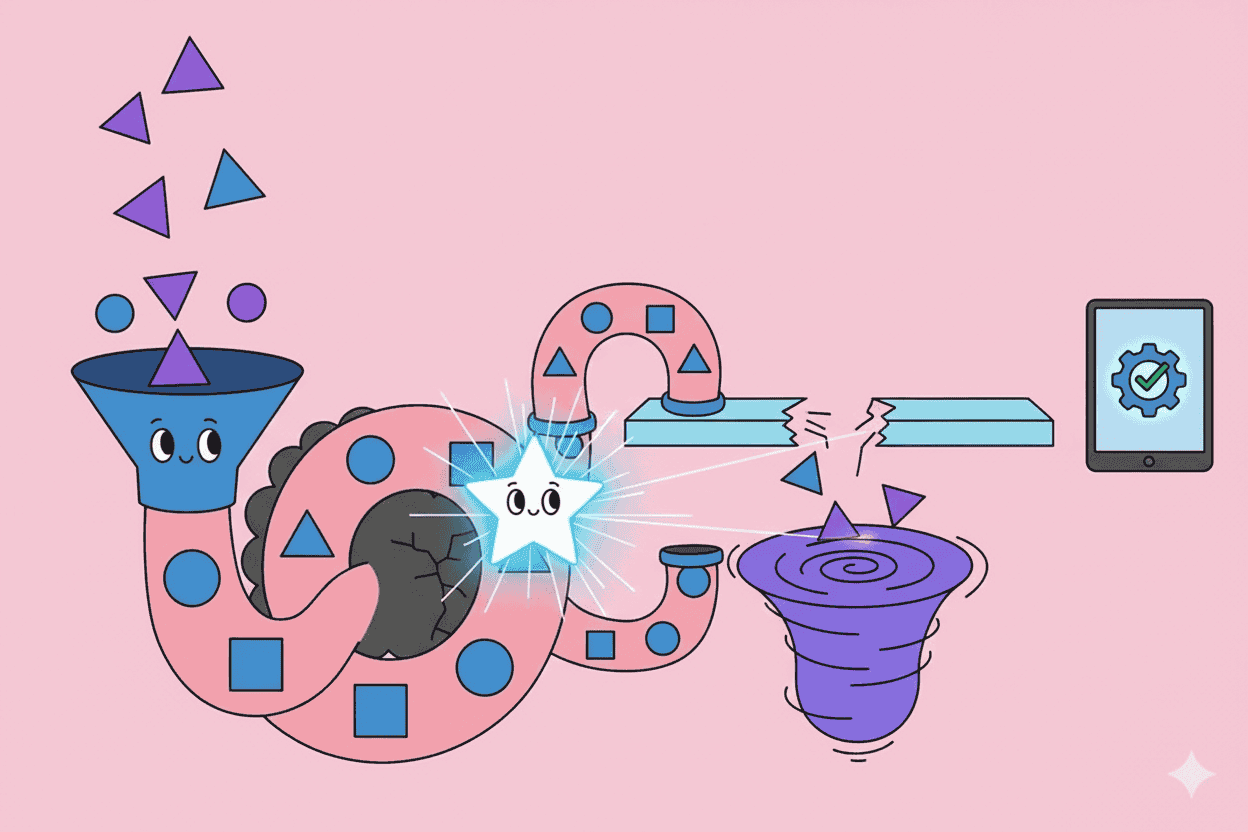
That single sentence captures the central failure of modern customer feedback programs—and points toward what needs to change.
The Insight-to-Action Gap Is Real (and Expensive)
If you've worked in product, you've seen this movie before. The company invests heavily in customer research infrastructure. Survey tools, feedback widgets, NPS tracking, social listening, support ticket analysis. Mountains of data start flowing in.
And then... nothing much changes.
The insights live in dashboards nobody checks. The reports get filed away. The product roadmap remains driven by stakeholder opinions and competitor panic rather than actual customer needs.
This isn't a technology problem. It's an execution problem. And according to Gartner's March 2026 Magic Quadrant for Voice of Customer Platforms, even the market leaders are struggling to close this gap.
The VoC vendors know it too. At X4 2026, Qualtrics, Medallia, and Sprinklr—all positioned as Leaders in Gartner's quadrant—are racing to build what IDC Research Director Lou Reinemann describes as the new competitive battleground: "connecting insight, prediction, and operational action."
Why Feedback Alone Doesn't Move the Needle
Here's what typically happens to customer feedback at most companies:
1. Collection happens, but synthesis doesn't. Teams gather feedback from surveys, support tickets, sales calls, social media, and product analytics. But this data lives in silos. Nobody sees the full picture.
2. Insights lack specificity. Generic themes like "users want it to be faster" don't give product teams enough to act on. What specifically should be faster? For which users? In what context?
3. Prioritization remains political. Even when insights are clear, they compete with executive pet projects, sales promises, and engineering preferences. Without clear revenue or retention data attached, customer insights lose the political battle.
4. Feedback arrives too late. Traditional quarterly NPS surveys tell you what went wrong months ago. By the time you've read the report, the damage is done and the users have churned.
The result? According to NVIDIA's 2026 State of AI report, companies that successfully operationalize customer insights see measurable results: 88% report increased revenue and 87% report reduced costs from AI initiatives. But most organizations never get there.
AI Changes the Equation (If You Use It Right)
The VoC vendors are betting big on AI to close the insight-to-action gap. At X4 2026, Qualtrics announced several AI-powered capabilities designed to move faster from data to decision:
Automated Text Analytics that instantly categorizes feedback into actionable themes—no more spending weeks building and maintaining topic taxonomies manually.
Experience Agents that detect issues during live surveys and can either resolve problems on the spot or route to human agents with full context.
Synthetic Panels that simulate consumer responses in hours at half the cost of traditional research panels. Gabb, a kids' tech company, reported getting insights 98% faster using this approach.
But here's the thing: most product teams don't need another enterprise platform with a six-figure contract and a three-month implementation.
They need the insights, not the infrastructure.
What Actually Works for Product Teams
If you're a PM or product leader trying to close the insight-to-action gap, here's what matters:
1. Consolidate Your Feedback Streams
You can't act on insights you can't see. Before worrying about AI analysis, get all your feedback into one place: support tickets, sales call notes, user interviews, survey responses, app store reviews, social mentions.
The goal isn't a prettier dashboard. It's giving your team a single source of truth about what customers actually need.
2. Move from Themes to Evidence
"Users are frustrated with onboarding" is a theme. "47 users in the enterprise segment mentioned confusion about SSO setup in the last 30 days" is evidence you can act on.
AI-powered feedback analysis should give you specific quotes, frequency counts, and user segments—not just word clouds.
3. Connect Insights to Outcomes
The most effective product teams link customer feedback directly to business metrics. When you can show that users who mention a specific pain point are 3x more likely to churn, suddenly the roadmap conversation changes.
4. Make Insights Real-Time, Not Retrospective
Quarterly surveys are autopsy reports. By the time you've analyzed the data, the users are gone. Modern feedback systems should surface emerging issues as they happen—ideally before they become support tickets.
5. Democratize Access
If insights only reach the PM who owns the feedback tool, they don't drive change. The best organizations make customer voice visible to everyone: engineers, designers, customer success, executives.
The Opportunity for Smaller Teams
Here's what's interesting about the current moment: the VoC market is dominated by enterprise platforms that take months to implement and require dedicated teams to operate.
But AI is making sophisticated feedback analysis accessible at a fraction of the cost and complexity. Tools that can ingest feedback from multiple sources, automatically identify patterns, link insights to specific users and accounts, and surface actionable recommendations—without the six-figure price tag.
For product teams at growth-stage companies, this is the opportunity. You don't need to match the Fortune 500 on infrastructure spend. You need better signal-to-noise ratio on the feedback you're already collecting.
The Bottom Line
The VoC market didn't grow to $10 billion because companies don't care about customers. It grew because they care deeply—but haven't figured out how to translate that caring into action.
The companies that will win the next decade aren't the ones collecting the most feedback. They're the ones who build the fastest path from customer insight to product decision.
That path used to require enterprise budgets and dedicated analyst teams. AI is changing that equation.
The question for product leaders isn't whether to invest in understanding customers. It's whether your current approach actually closes the insight-to-action gap—or just generates more reports that nobody reads.
Ready to stop drowning in feedback and start acting on insights? See how Pelin helps product teams move from customer data to product decisions.